
Blog
3D Mouse for Remote Design Teams: Useful or Overkill?
Jul
Remote design teams rely on screen shares, model walkthroughs, async notes, and shared files. A 3D mouse can be useful when one person needs to guide a model review smoothly, but it can also be overkill if the team rarely works in 3D. The decision should be tied to collaboration habits.
Before buying devices for a team, look at how often reviews happen, who drives the model, and whether smoother navigation would make meetings clearer.
Review and screen-share use cases
Remote CAD reviews can suffer when the presenter struggles with the viewport. Choppy orbiting, sudden zooms, and lost orientation waste meeting time. A 3D mouse can help the presenter move through a model more calmly while explaining parts, assemblies, rooms, or scenes.
Screen-share walkthroughs benefit from slow movement and clear pauses. The same practices used for presenting CAD models with a 3D mouse apply to remote work: center the topic, move slowly, and avoid making viewers dizzy.
Standardize or let users choose?
Teams should not automatically standardize every accessory. Some users may love a 3D mouse, while others prefer shortcuts and a normal mouse. A small rollout is safer: test with one or two users who run frequent model reviews, then decide whether broader adoption is useful.
Standardization makes more sense when the team has similar software, similar workstations, and shared review expectations. It makes less sense when users have different tools and comfort preferences.
Procurement questions
Ask who needs the device, which software must work, whether IT allows Bluetooth, whether drivers require admin rights, how returns are handled, and whether the device improves meetings enough to justify the cost. Small teams should measure friction before buying in bulk.
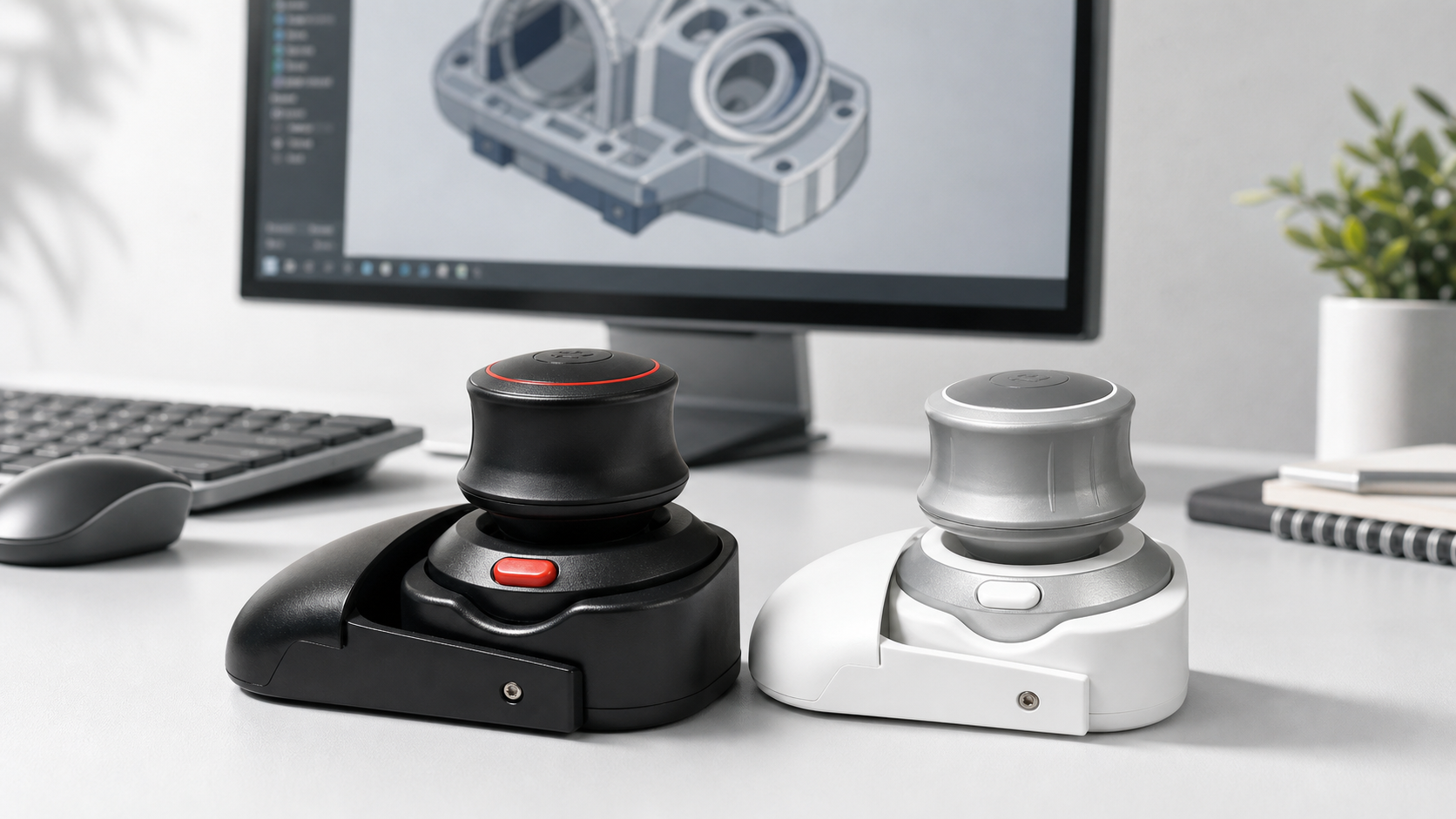
The Wireless 3D CAD Mouse can be an affordable option for test rollouts because it focuses on compact Bluetooth 3D navigation at $129. It is best tested with the people who actually lead remote reviews.
When it is overkill
If the team mostly shares screenshots, reviews 2D drawings, or uses lightweight viewers, a 3D mouse may not matter. Improve meeting structure, file naming, comments, and model preparation first.
It may also be overkill when only one specialist owns the 3D model and everyone else consumes exports. In that case, give the controller to the presenter, not the whole team. The purchase should follow the review role, not the job title.
Small teams can keep the test simple: one device, one month, two recurring review meetings, and a short note on whether the meetings improved.
FAQ
Should every remote designer get one?
No. Start with the people who lead 3D model reviews and screen-share walkthroughs.
Can it improve remote meetings?
It can, if smoother navigation helps viewers understand the model faster.
What should teams check first?
Check software support, IT rules, Bluetooth policy, drivers, returns, and who actually needs the device.
Is a test rollout better than bulk buying?
Usually yes. A small test reveals whether the accessory fits the team’s real workflow.
Bottom line
A 3D mouse for remote design teams is useful when model walkthroughs are a frequent collaboration bottleneck. Test with review leaders before standardizing.