Blog
3D Mouse for CAD Freelancers: Should It Be in Your Toolkit?
Jul
CAD freelancers buy tools differently from employees. Every accessory competes with software subscriptions, hardware, marketing, taxes, and time. A 3D mouse belongs in a freelancer toolkit only if it supports billable modeling, review, or client presentation work often enough to justify the cost.
The question is practical: will smoother navigation help you work, review, or present better on jobs that pay? If yes, the device may be a small but useful investment.
Tie the purchase to billable hours
Freelancers should look at the work mix. If you spend many hours modeling parts, reviewing assemblies, preparing client walkthroughs, or inspecting product revisions, dedicated navigation can reduce friction. If most work is 2D drafting or quick file cleanup, it may not matter enough.
Track a week of work. Note every time viewport movement interrupts progress. If those moments appear across paid projects, the purchase has a stronger business case.
Portability for client offices and home desks
Many freelancers work from home but sometimes visit client offices, makerspaces, classrooms, or coworking desks. A portable setup matters. Wireless can reduce cable clutter, but it should pair reliably and fit in the bag without becoming another fragile item to manage.
The broader laptop CAD setup guide is relevant if your freelance workstation moves between places.
Presentation and client trust
Client trust can improve when a model review feels calm and professional. Smooth orbiting, careful pauses, and clear movement can make a design easier to understand during a call. This does not replace strong work, but it can support the conversation.
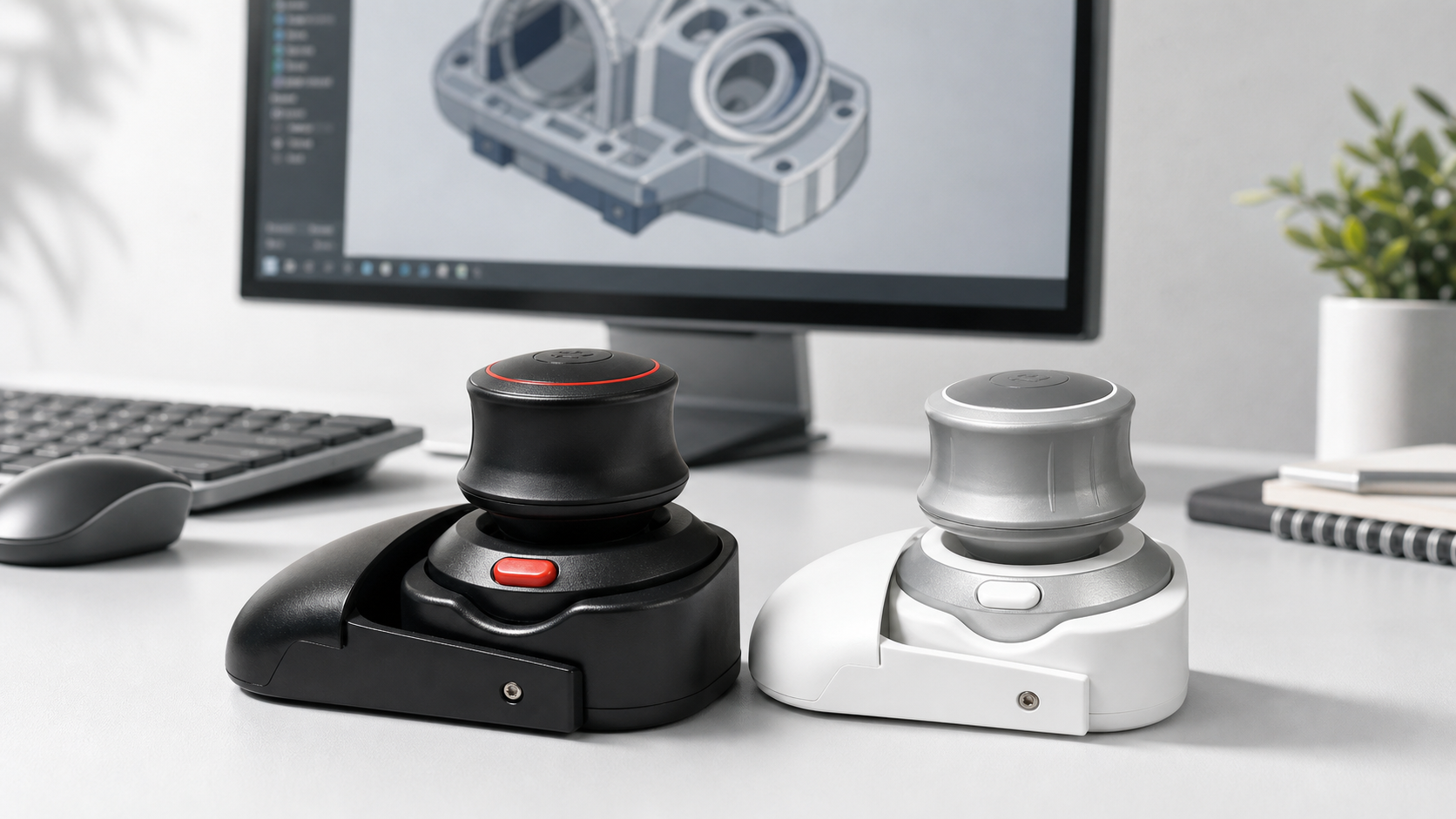
The Wireless 3D CAD Mouse is a budget-conscious freelancer accessory at $129. It is best for freelancers who need core 3D navigation without jumping immediately into a larger premium ecosystem.
When to skip it
Skip it if cash is tight, if you have no clear navigation problem, or if your software compatibility is uncertain and the return policy is weak. Freelancers should avoid purchases that create setup time without improving paid work.
Also skip it when client deliverables are mostly drawings, documentation, or file conversion. In those cases, faster standards, templates, and communication may matter more than navigation hardware. Buy the tool only when it supports the work clients actually pay for.
A freelancer can revisit the decision later. The best time to buy is when several active projects share the same 3D review pain.
FAQ
Can a 3D mouse pay for itself?
It can if it improves repeated billable modeling, review, or presentation work. The value depends on frequency.
Is it useful for client calls?
Yes, if smooth model navigation helps the client follow the design more clearly.
Should freelancers choose wireless?
Wireless can help if you travel or use multiple desks, but reliability and charging still need testing.
What should I test first?
Test your main software, a real client-style model, portability, comfort, and return policy.
Bottom line
A 3D mouse for CAD freelancers makes sense when it supports paid work. Tie the purchase to real project hours, not just the appeal of a new desk accessory.