
Blog
Is a Cheap 3D Mouse Good Enough for CAD?
Jul
A cheap 3D mouse can be good enough for CAD if it handles the basics well: predictable navigation, comfortable hand position, reliable connection, reasonable software behavior, and enough support for the workflows you actually use.
Good enough does not mean perfect. It means the device solves the problem you bought it for without creating new frustration.
What good enough means
For many users, good enough means smooth orbit, pan, zoom, and controlled inspection in one or two main applications. It should not disconnect constantly, overshoot every detail, or crowd the desk.
Comfort matters as much as specs. If the device is unpleasant after a real modeling session, the low price does not help.
Good enough also includes predictability. A simple controller that behaves the same way every day is more useful than a feature list that feels unreliable in real CAD work.
That consistency matters most when a deadline is close and you cannot afford to debug input problems.
Entry-level versus premium expectations
Entry-level buyers often want to test whether dedicated 3D navigation belongs in their workflow. Premium buyers may expect deeper software integration, more controls, refined ergonomics, or specific professional ecosystem features.
Be honest about which group you are in. A hobby CAD user, student, or small team pilot may not need the same feature set as a full-time workstation user with strict standards.
Test real projects, not specs alone
Specs can tell you connection type, size, and basic features. They cannot tell you whether the device feels right in your assembly, your desk layout, and your software. Use real files for the test.
The framework in 3D mouse kit review checklist can help you evaluate comfort, navigation, pairing, and price-value without getting distracted by claims.
Run the test at least twice: once when the device is new, and once after you have tuned sensitivity. The second result is usually more meaningful.
Reliability and support
Cheap is risky when it means poor support, unclear returns, weak documentation, or unreliable connection. Check the return path and test quickly after delivery. If it fails basic pairing or movement, do not spend weeks forcing it.
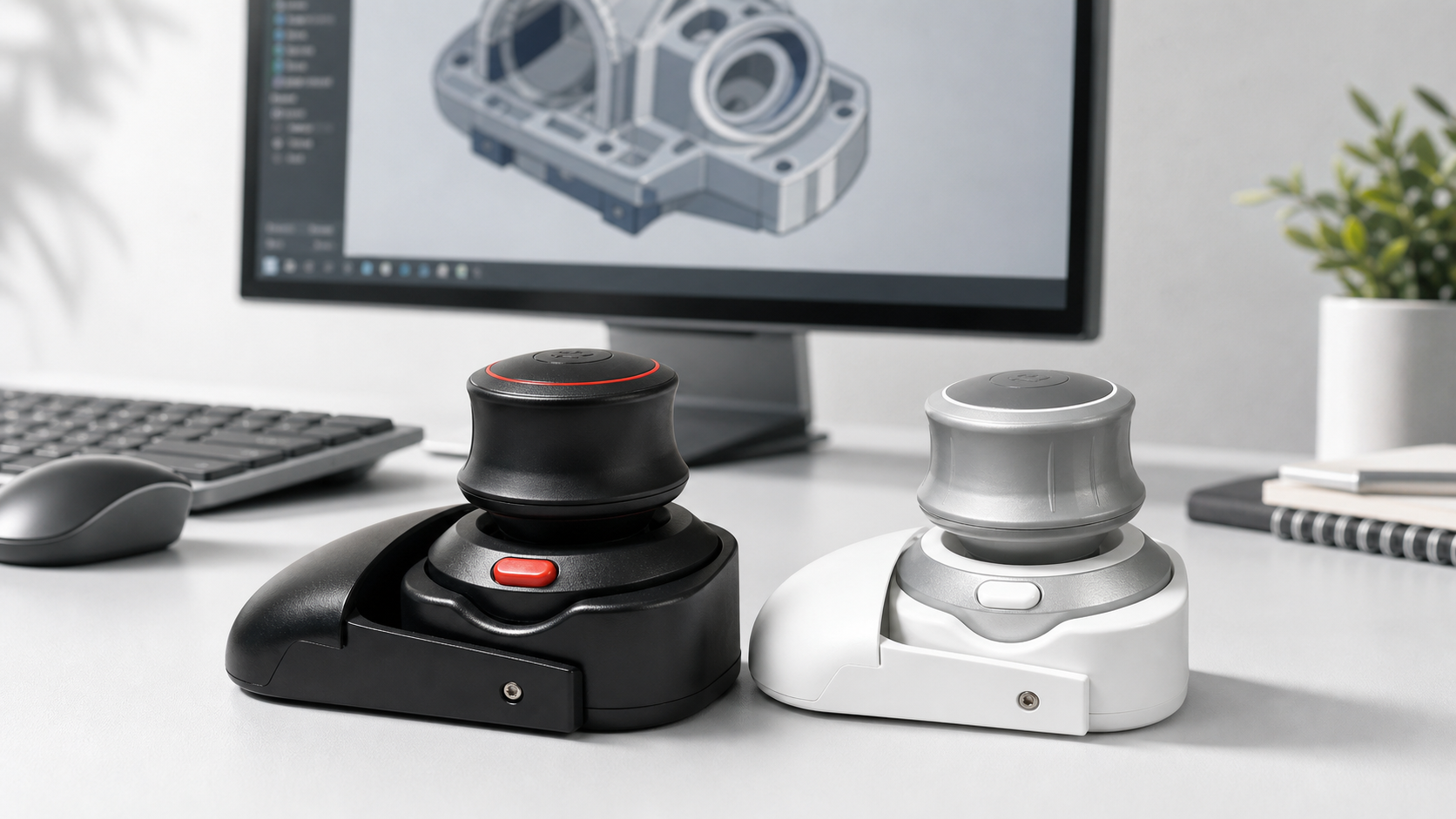
The Wireless 3D CAD Mouse is positioned as a compact $129 Bluetooth option for users who want to test dedicated 3D CAD navigation without jumping straight to a premium setup.
FAQ
Is a cheap 3D mouse enough for beginners?
It can be, if it navigates reliably and works in the beginner’s actual software.
What should I not compromise on?
Reliable connection, controllable movement, comfort, and a clear return policy.
Do professionals need premium models?
Some do, especially if they need advanced integration or heavy daily use. Others may be fine with simpler devices.
How should I test value?
Use a real CAD project and compare the device against your normal mouse and shortcut workflow.
Bottom line
A lower-cost 3D mouse can be good enough when your expectations are clear. Test navigation, comfort, reliability, and software fit on real projects before judging by price alone.