
Blog
What to Look for in a 3D CAD Mouse Product Page
Jul
A 3D CAD mouse product page should help you decide whether the device fits your workflow. It should not rely only on broad phrases like works with everything or boosts productivity. Buyers need concrete information about use cases, price, images, returns, compatibility expectations, and what the product is actually designed to do.
The best product page makes the buying decision easier and the testing process clearer. If a page creates more questions than answers, slow down before purchasing.
Use cases and software fit
Look for specific use cases: CAD navigation, 3D modeling, assembly review, architecture walkthroughs, VR scene review, Google Earth navigation, or classroom presentations. The more specific the use case, the easier it is to compare against your work.
Compatibility language should be treated carefully. No buyer should assume every app, version, driver, browser, and operating system behaves the same. A good product page should encourage practical testing rather than vague universal certainty.
Price, images, and product proof
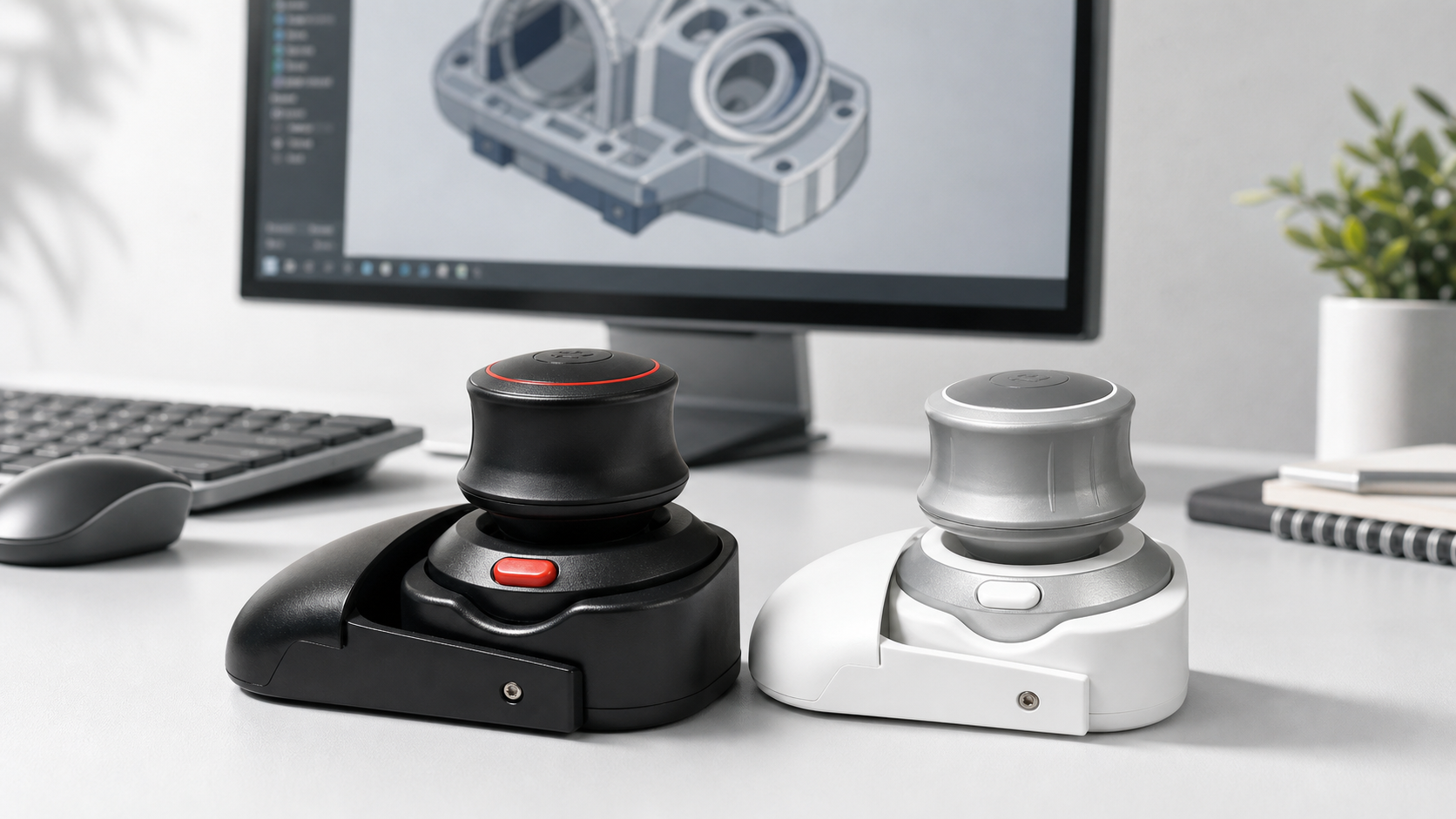
Price should be visible and easy to understand. Product images should help you judge size, shape, desk fit, controls, and visual style. If images are unclear, heavily cropped, or purely decorative, it becomes harder to evaluate the device.
Use the same approach from a 3D mouse price guide: connect price to actual features, use case, and support expectations. A lower price can be attractive, but only if the device fits the job.
Returns and compatibility claims
Return policy matters because input devices are personal and software-dependent. Before buying, know how long you have to test, what condition the product must be in, and where to get support if pairing or navigation feels wrong.
The Wireless 3D CAD Mouse product page can be evaluated with the same neutral checklist: $129 price, Bluetooth wireless design, compact CAD navigation role, product images, color options, and a clear need to verify behavior in your own software setup.
Compare without hype
Make a small table before buying: price, connection, target use cases, return policy, desk fit, software caveats, and what you still need to test. This keeps the decision grounded instead of emotional.
Save screenshots or notes from pages you compare. Product claims can blur together after several tabs. A small record helps you remember which page actually answered your compatibility, return, and desk-fit questions.
When a claim sounds too broad, translate it into a test. “Works for CAD” becomes “Does it work in my CAD version with my model?”
FAQ
What is the biggest red flag?
Vague universal compatibility language without practical testing guidance is a major red flag.
Should product images matter?
Yes. Images help judge size, shape, desk fit, and whether the device looks practical.
Why is return policy important?
Because software behavior and comfort must be tested in the buyer’s own environment.
How should I compare product pages?
Use a checklist covering use case, price, connection, compatibility caveats, images, support, and returns.
Bottom line
A strong 3D CAD mouse product page should help you test the right things. Buy when the page answers your workflow questions, not just when the claims sound exciting.