Blog
3D Mouse Return Policy Checklist Before You Test a New Device
Jul
A 3D mouse return policy matters because compatibility and comfort cannot be fully proven from a product page. You need to test the device in your own software, on your own computer, with your own models. A clear return window turns that test into a safer buying process.
Do not wait until the final day to try the device. The first day should answer the basics: pairing, navigation axes, comfort, workflow fit, and whether the device solves a real problem.
Why your own software matters
Input devices behave differently across CAD tools, 3D modeling apps, browsers, operating systems, and driver setups. A device that feels good in one program may need tuning in another. That is why a return policy is part of the purchase, not a minor detail.
Use a real project file. Open the kind of model you actually review: assembly, product design, architecture model, Blender scene, Google Earth view, or slicer preview. Empty files are too easy.
First-day checks
Check pairing, reconnection after sleep, orbit, pan, zoom, axis direction, sensitivity, button behavior if relevant, and comfort after a real session. Then check whether you still want to use the normal mouse and keyboard in the expected way.
Also test the device in one focused workflow. For example, review a part, present a model, inspect a scene, or move through a map. If the device only feels fun but does not improve a task, the purchase may not be right.
Refund and support expectations
Before testing, know the refund window, product condition rules, packaging requirements, and support contact method. Take notes during setup so support can understand the problem if something fails.
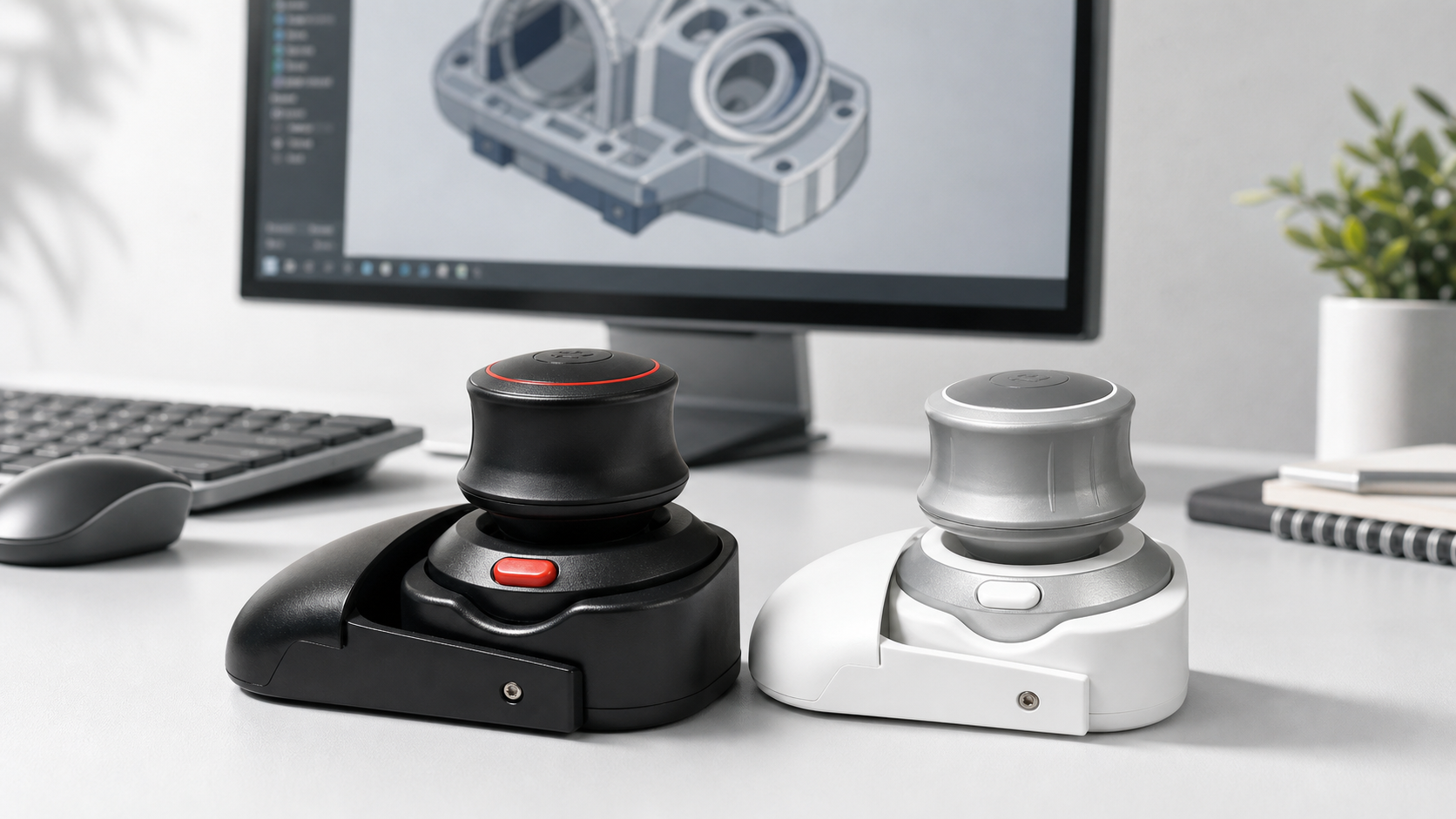
The Wireless 3D CAD Mouse is the product to test if you are considering 3D Mouse Kit’s Bluetooth CAD navigation option. Pair that product page with support and policy pages before the return window starts. It is also wise to use the 3D CAD mouse product page checklist before purchasing.
A simple testing schedule
Day one: pair and test navigation. Day two: use a real work file. Day three: test a presentation or review workflow. Day four: decide whether the device earns a permanent place on the desk. Do not let the return window drift by unused.
If something fails, contact support early. Waiting until the final day leaves no time to separate a setup issue from a genuine mismatch.
FAQ
Why is a return policy important?
Because software compatibility, comfort, and workflow fit must be tested in your own environment.
What should I test first?
Pairing, axes, sensitivity, sleep recovery, comfort, and behavior in your main software.
How long should I test?
Use several real sessions during the return window. One short novelty test is not enough.
What if the device works but feels unnecessary?
That is useful evidence. If it does not improve a real task, returning it may be the right decision.
Bottom line
A 3D mouse return policy checklist protects the buyer. Test quickly, use real software, keep notes, and decide before the refund window closes.